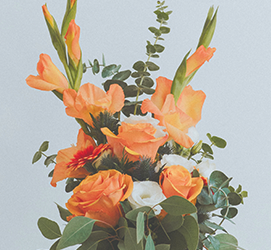
Our Experience: Transforming a [NEIGHBOURHOOD/POSTCODE] Space with Flowers
Posted on 21/11/2025

Our Experience: Transforming an N1 Islington Space with Flowers
We've spent years walking up and down Upper Street, ducking into brick-lined mews off Essex Road, and carrying armfuls of peonies past the bustle of Camden Passage. So when people ask how we go about transforming an N1 Islington space with flowers, we don't just share pretty pictures--we share the real, lived details. The squeak of trolley wheels at 6 a.m., the sharp citrus scent of fresh eucalyptus in cool air, the way London's soft Northern light changes colours just a tad. Our Experience: Transforming a [NEIGHBOURHOOD/POSTCODE] Space with Flowers isn't theoretical for us. It's our day job, our early mornings, and sometimes our late nights.
In this comprehensive guide, we'll walk you through why florals truly matter for homes, studios, shops, and venues in and around N1 Islington, what benefits to expect, and exactly how to plan and deliver a floral makeover that looks effortless--and lasts. You'll find human stories, clear steps, UK compliance pointers, a practical checklist, and answers to the questions we get every week. And yes, we'll gently nudge you away from the classic mistakes (we've seen them all). Think of this as a friendly, expert hand on your shoulder; we'll show you what works in real London conditions.
Table of Contents
- Why This Topic Matters
- Key Benefits
- Step-by-Step Guidance
- Expert Tips
- Common Mistakes to Avoid
- Case Study or Real-World Example
- Tools, Resources & Recommendations
- Law, Compliance or Industry Standards (UK-focused)
- Checklist
- Conclusion with CTA
- FAQ
Why This Topic Matters
Flowers change spaces, and spaces change how we feel. Sounds simple, but it's the root of why we do what we do. In N1--where Victorian terraces meet modern flats, and studios above shopfronts squeeze every inch--thoughtful florals can anchor a room, soften edges, and make a space truly belong to you. To be fair, a well-placed arrangement can do more than a new paint colour, especially where natural light is stubborn or budgets are tight.
From a design perspective, cut flowers and foliages bring contrast, dimension, and movement in ways static decor simply can't. They create visual rhythm along a bar, an entryway, or a boardroom table. They also add subtle scent cues that make a lasting impression. Ever stepped into a lobby and caught that clean, green note from eucalyptus and rosemary? You remember it, even hours later.
From a wellbeing standpoint, research on biophilic design--bringing natural elements indoors--has long shown reduced stress and improved mood. The RHS has championed the mental health benefits of plants and gardens, and while cut flowers aren't houseplants, the effect is related: nature signals calm. And in a city like London where our green time can be limited to lunch breaks on Highbury Fields, a bit of nature indoors can make a day feel lighter.
There's also the social piece. Transforming an N1 space with flowers can change how people connect with the place. We've seen small businesses double their "I had to pop in because of your flowers" footfall during special installations. When a cafe doorway is framed with seasonal branches and blooms, it becomes a tiny landmark--people use it as a meeting point. Flowers have a way of making a space feel cared for. Which, in turn, makes people care back.
A quick micro moment: last winter, we installed a minimal, wintery scheme in a narrow studio just off Angel. It was raining hard outside that day, and the studio window kept fogging. When we tied the final silk ribbon and stepped back, the owner just exhaled. "It feels warm," she said. It wasn't warmer, of course. But you know what she meant.
Key Benefits
Here's what you can expect from transforming an N1 Islington space with flowers--whether a one-off event or a long-term styling plan:
- Instant visual lift: Blooms introduce colour, texture, and shape, giving tired rooms new energy without major refurb costs.
- Brand storytelling: Colour palettes can reflect your brand; seasonal choices signal freshness and authenticity.
- Memorable experiences: The right scent and form create what marketers call "sticking points" in memory--people recall places that feel special.
- Flexible scale and budget: From a single hero arrangement to a full doorway meadow, you can scale up or down as needed.
- Improved ambience: Foliage softens echo in hard-surfaced spaces and makes corners feel finished, not forgotten.
- Community-friendly sustainability: Sourcing British-grown flowers in season reduces transport footprint and supports local farms.
- Photogenic moments: Let's face it, the right floral feature becomes a shareable backdrop--useful for social and PR, especially in a competitive postcode.
- Wellbeing boost: Natural textures and seasonal change foster calm and connection (small, but real).
And a simple truth: flowers help people notice. They notice your window. Your menu. Your new product. That's not fluff; it's functionality dressed beautifully.
Step-by-Step Guidance
Here's our practical approach to Our Experience: Transforming a [NEIGHBOURHOOD/POSTCODE] Space with Flowers, adapted to N1 homes, shops, studios, and venues.
1) Start with a site walk
We visit the space (or do a detailed video call) and take notes on light, ceiling height, traffic flow, surfaces, and access. Measure doors and lifts. Check how long arrangements must last and where water can be changed safely. If the space is a listed property, ask early about restrictions (sticky fixings, screws, ladder use).
2) Define objective and mood
What's the aim? Warmth for a client lounge? A show-stopping brand launch? A quiet, clean backdrop for portrait photography? We articulate a few words to guide choices: soft, airy, welcoming or bold, saturated, sculptural. The words anchor later decisions when time gets tight.
3) Create your palette--then edit
Pick a primary hue (e.g., blush), a secondary support (sage green), and one surprise (raspberry). Edit rigorously. London's light can wash out pale tones; deeper accents add depth. For cool, north-facing rooms, warm whites and apricots keep things alive. For bright south-facing windows, cooler tones hold their own. Resist adding every pretty stem--coherence wins.
4) Choose seasonal, local-first where possible
We favour British-grown blooms from late winter hellebores to summer dahlias, topped up with imports for consistency. Seasonal flowers look right for the moment; they last better, too. In spring, think tulips, ranunculus, narcissi. Late summer: dahlias, garden roses, ammi. Autumn: chrysanthemums, grasses, branches. Winter: anemones, paperwhites, ilex. Fresh, fragrant, full.
5) Mechanics: foam-free, secure, fuss-free
We install using reusable chicken wire, pin frogs (kenzans), water-filled vessels, cable ties, and occasionally AgraWool or moss for hydration. It's better for the environment and makes cleaner de-installs. Always test weight-bearing points and distribute load--no one wants a dramatic flop mid-service. Yeah, we've all been there.
6) Scale and placement
In tight hallways or narrow cafes, think vertical: wall-mounted frames with trailing foliage, or columnar arrangements that don't steal floor space. Keep edges clear near doorways and payment points. For meeting tables, keep designs low and wide so faces aren't blocked; for windows, stagger heights to frame views.
7) Scent strategy
Not every flower should be fragrant. Use scented stems sparingly--garden roses, stocks, sweet peas--balanced with unscented structure. Avoid heavily perfumed flowers near food preparation or allergy-prone areas. Consider florals with green notes (mint, rosemary) for freshness without overpowering.
8) Hydration and longevity
Condition flowers properly: recut stems at 45 degrees, use clean buckets, and keep them cool before install. Refresh water daily where possible. In heated rooms, select hardy varieties (e.g., chrysanthemums, carnations, anthuriums). Use veiling foliage to hide mechanics while allowing airflow. Ever tried to make tulips behave in a hot room? They won't--work with their bend, don't fight it.
9) Safety first
Plan cable runs, stabilise frames, pad sharp edges. Keep fire exits and panels clear. Use flame-retardant materials where appropriate, and ensure ladders are footed by a second person on site. Write a simple risk assessment covering manual handling, working at height, and spill response. Clean, clear, calm. That's the goal.
10) Installation timing
We prefer early mornings in N1--less traffic, easier parking. Time anchors matter: if an event starts at 6 p.m., complete heavy lifting by midday, final touches by 3, buffer time till 4. London days have a way of throwing little surprises (traffic on Pentonville Road, a lift that inexplicably naps). Build margin.
11) Maintenance plan
For long-running installs, schedule bloom swaps and water top-ups. Assign a staff member to mist delicate items or call us for weekly refresh. A two-minute daily check prevents a sad-looking corner by Thursday.
12) De-install and reuse
We separate green waste for composting, save usable vessels and mechanics, and offer bouquets to staff or neighbours. When we've de-installed in N1, we've often met the shop next door asking for a few stems. Sharing's part of the fun.
Expert Tips
- Think in layers: Base foliage for structure; mid-level feature blooms; airy accents (like airy grasses or ammi) for movement.
- Use odd numbers: Groups of three or five feel organic. It's subtle but you'll see it.
- Leave negative space: Don't smother. Gaps let your eye rest--and make hero flowers pop.
- Balance colour temperature: If walls are cool grey, add a warmer floral note. If walls are warm, use cool greens and whites.
- Angle matters: Face key blooms toward the viewer's path. On Upper Street, most people approach from the bus stop--so angle accordingly.
- Anchor with branches: Seasonal branches (beech, birch, blossom) create architecture quickly and affordably.
- Choose "workhorse" stems: Chrysanthemums, alstroemeria, and waxflower keep arrangements looking fresh for days.
- Spotlight one focal flower: One special bloom (cafe au lait dahlia, say) says luxury without needing dozens.
- Transport smart: Use covered crates, hydrate overnight, and route via quieter streets when possible. Save stems, save sanity.
- Soft drape, hard edge: Smoothing transitions (a soft drape of asparagus fern) but keep one crisp line for contrast.
Small story: we once swapped a too-busy palette for just white, green, and whisper-pink. The client's words: "It finally breathes." Sometimes less is truly more.
Common Mistakes to Avoid
- Overcrowding the palette: Too many colours reduce impact. Edit down.
- Ignoring light and heat: South-facing windows can cook delicate stems--choose hardy blooms or add shading.
- Using floral foam everywhere: It's convenient but not eco-friendly, and it limits creative shapes. Go foam-free where possible.
- Underestimating water: Dry vases = wilted designs. Plan for easy water changes.
- Blocking sightlines: On reception desks or bars, keep designs low or lifted overhead, not at eye level.
- Forgetting fragrance control: Overly perfumed blooms near seating can be irritating.
- Rushing the install: Not building time buffers leads to sloppy mechanics and mess.
- Skipping risk assessments: Ladders, weights, cables--do it right. Safety is non-negotiable.
- Neglecting maintenance: Even the best design needs a little TLC. Schedule it.
- No exit plan: De-install, waste separation, and reuse should be planned from the start.
Ever tried creating a "quick" feature wall five minutes before guests arrive? Don't. Plan, prep, breathe.
Case Study or Real-World Example
Project: Retail pop-up transformation on Upper Street, N1
Brief: Convert a white-box unit into a warm, tactile space for a three-day launch--inviting during the day, more dramatic for evening events.
Constraints: Narrow front width, high traffic, no drilling, compliances for exits, and a very short turnover time between day and evening settings.
Approach: We designed a "floating hedgerow" doorway feature with seasonal British foliage, blush and raspberry accents, and textural seed heads. Inside, we created a central island of flowers in low, wide vessels to keep sightlines clear. Ambient scent came from rosemary and lavender tucked into foliage--subtle, not overwhelming. Lighting gel warmed the palette in the evening.
It was one of those chilly mornings. You could almost smell the cardboard dust in the air as boxes opened. We put on the kettle, set our staging, and began the build: chicken wire frames, cable-tied to freestanding supports, weighted in concealed bases for stability. Foam-free, water-secure, guest-safe.
Outcome: Across three days, the brand recorded a 28% uplift in footfall vs. forecast and a 34% increase in average dwell time (based on door counter and POS data). On Instagram, their post of the doorway feature was shared 120+ times locally. Post-event survey comments noted "calm but rich feel," "soft scent," and "no fuss navigating the space." The landlord called it "the least stressful pop-up install I've seen on this strip." We'll take that.
Lesson learned: Keep flow lines clean, keep mechanics bulletproof, and use a disciplined palette. Also--tea first, then ladders.

Tools, Resources & Recommendations
Whether you're a DIY enthusiast or commissioning professionals, these are our go-tos for transforming an N1 space with flowers:
- Mechanics: Reusable chicken wire, kenzans (pin frogs), AgraWool or moss for hydration, strong tape, reusable cable ties, zip-tie cutters, fishing line (for delicate suspensions), sandbags for weighting.
- Vessels & Frames: Weighted plinths, narrow trough vases for windows, vintage glass for charm (look along Camden Passage's antique spots), and waterproof liners.
- Tools & PPE: Clean buckets, sharp floristry snips, secateurs, gloves, aprons, microfibre cloths, step ladders with stabilisers, and floor protection.
- Transport: ULEZ-compliant vans for central London, rolling trolleys for long corridors, and moving blankets to protect surfaces.
- Suppliers: New Covent Garden Flower Market (Nine Elms) for breadth; for British-grown, work with growers via networks like Flowers from the Farm; for foliage, check UK woodland branches seasonally and sustainable wholesalers.
- Care & Conditioning: Flower food, clean water, bleach solution for bucket hygiene, hydration sprays for foliage (used sparingly).
- Waste & Reuse: Separate green waste for composting, keep a crate for vessel returns, and a spare crate for "staff bouquets" on de-install.
- Learning & Standards: British Florist Association guidance, RHS seasonal notes, and sustainable floristry resources advocating foam-free methods.
A small tip from experience: pack a tiny "oh no" kit--extra tape, pins, ribbon, paracetamol, and a cereal bar. It's London. Things happen.
Law, Compliance or Industry Standards (UK-focused if applicable)
Design is only half the job. Compliance is the other half--quiet, essential, and non-negotiable:
- Working at Height Regulations 2005: Use suitable ladders or platforms, ensure a competent person foots the ladder, and keep a simple method statement.
- Manual Handling Operations Regulations 1992: Assess loads; break heavy items into manageable parts; use trolleys.
- Health and Safety at Work etc. Act 1974: Duty of care to staff, contractors, and the public. Keep installations stable and exits clear.
- Fire Safety: Don't block extinguishers or alarms; use flame-retardant materials when near heat sources; keep candles away from foliage unless appropriately shielded and supervised.
- Environmental Protection Act 1990 (Duty of Care): If you handle waste professionally, use a registered waste carrier, keep waste transfer notes, and separate green waste if possible.
- COSHH (where applicable): If using chemical cleaners or preservatives, follow product safety data. Many florists go minimal--good practice anyway.
- Public Liability Insurance: Essential for installations in public or commercial spaces.
- Planning & Highways (Islington-specific considerations): External installations on pavements may require Highways permission or a licence; listed buildings can restrict fixings. Ask the venue and check council guidance.
- ULez & Logistics: N1 falls within the London ULEZ; ensure your vehicles are compliant to avoid charges and delays.
- Advertising Standards (environmental claims): Be accurate and specific if you claim sustainability benefits--avoid vague "eco-friendly" without backing.
Keep it sensible: a written risk assessment, a tidy cable plan, and an exit path. It's not just bureaucracy; it's peace of mind.
Checklist
Use this practical tick-list when planning your transformation in N1:
- Objective defined (mood words, purpose)
- Measurements (doors, lifts, ceiling height)
- Light/heat analysis (sun, shade, HVAC)
- Palette set (primary, support, accent)
- Seasonal selection (local-first if possible)
- Mechanics chosen (foam-free plan)
- Risk assessment (height, manual handling, fire)
- Install schedule (allow buffers)
- Water access (and safe change points)
- Maintenance plan (daily checks, swaps)
- De-install plan (waste separation, reuse)
- Budget & contingency (10-15% set aside)
Print it, scribble on it, keep it near the kettle. It works.
Conclusion with CTA
Our Experience: Transforming a [NEIGHBOURHOOD/POSTCODE] Space with Flowers--right here in N1--comes down to listening to the room, choosing seasonally, and elevating the everyday. When you do that, corners soften, conversations last, and people remember how your place made them feel. Quietly powerful, that.
Whether you're crafting a thoughtful home refresh, dressing a shopfront for a launch, or building a signature look for a venue, the principles are the same: plan properly, design with intention, and finish with care. Truth be told, the difference between average and "wow" is rarely budget alone--its vision and detail.
Get a free quote today and see how much you can save.
And if you need a hand, we'll bring the flowers and the calm.
FAQ
How long will a floral installation last in a heated indoor N1 space?
Typically 3-7 days, depending on flower choices, vessel size, and room temperature. Chrysanthemums, carnations, alstroemeria, and many foliages hold up well. Garden roses and tulips are shorter-lived but beautiful. With a maintenance visit mid-week, you can extend the overall look for 10 days by swapping key focus stems.
What's the best way to choose colours for an Islington flat with cool grey walls?
Balance cool walls with warmer floral tones--apricot, blush, cream, and soft sage greens--then add a deeper accent (raspberry, burgundy) for depth in low winter light. If the room faces north, avoid pale-on-pale; it can look washed out in London's softer light.
Can we use only British-grown flowers for our installation?
Yes, especially from spring through early autumn when local availability is strong. Winter is trickier but still possible with foliage, branches, anemones, and specialty growers. We often design a mixed approach: British-first, supplemented with select imports for consistency.
We have allergy-sensitive staff and clients--how do we manage fragrance?
Use low-scent or unscented blooms (ranunculus, lisianthus, hydrangea) and rely on greenery for freshness (eucalyptus, rosemary) in small amounts. Avoid heavily perfumed flowers near desks or dining. You can create impact with shape and colour instead of scent.
Do we need permission for exterior flowers on our shopfront in N1?
If your installation projects onto or sits on the pavement, you may need Highways permission or a licence, and listed buildings can restrict fixings. For decorations entirely within your property line, you typically won't--still, it's wise to check with the landlord and review local guidance before installing.
How far in advance should we book for a big transformation?
Ideally 4-8 weeks for a substantial install, especially if you want specific seasonal blooms or custom structures. For smaller refreshes, 1-2 weeks is often enough. Peak seasons (spring weddings, December) book up fast--earlier is better.
What's a realistic budget for transforming a small shop in Islington?
Budgets vary widely. As a ballpark, a simple doorway feature and a few interior arrangements might start from a few hundred pounds; a more elaborate, foam-free feature with branches and multiple hero pieces typically lands in the low thousands. Include 10-15% contingency for last-minute adjustments.
Are foam-free methods really stable enough for busy spaces?
Yes, when properly engineered. Chicken wire armatures, weighted bases, and secure fixings are very stable and widely used by professionals. They're also better for flower longevity and sustainability. The key is planning and testing load-bearing points.
How do we maintain arrangements during the week?
Top up water daily, pull fading stems, and rotate arrangements slightly if they receive uneven light. Mist delicate foliages lightly. If you're unsure, we can schedule mid-week refresh visits--quick swaps keep the whole look polished.
Can you match flowers to our brand colours without it feeling too "on the nose"?
Absolutely. We often use a brand colour as an accent rather than the whole palette--say, a pop of coral in a largely neutral scheme. Texture and form carry brand personality just as effectively as colour, sometimes more.
Will flowers damage our walls or fixtures?
They shouldn't. We use non-marking fixings, freestanding frames, and protective pads. For listed or sensitive interiors, we propose designs that don't require drilling or adhesives. A site check settles what's safe and what's not.
Do you handle de-install and waste responsibly?
Yes. We separate green waste for composting, keep a record of waste transfer where relevant, and prioritise reuse of vessels and mechanics. We also offer leftover bouquets to staff or neighbours--less waste, more smiles.
What if our space gets very warm--will anything survive?
Plenty will. Choose heat-tolerant stems (anthuriums, chrysanthemums, statice, some tropical foliage), use larger water reservoirs, and position designs away from direct HVAC. We'll tailor the recipe to your room's reality.
In the end, flowers make places feel like they're meant for people. And that's worth doing beautifully.

Latest Posts
Our Experience: Transforming a [NEIGHBOURHOOD/POSTCODE] Space with Flowers
Top 10 Parks in [AREA] for Stunning Flower Displays in Spring 2024
Learn the Art of Prolonging Cut Flower Freshness
From Bud to Bloom: 8 Fascinating Sunflower Facts
Peony Flowers: An Odyssey of Symbolism and the Colors They Wear